Loading…
Rome destination N° 15
Appia Antica
One of the earliest and most important Roman roads, dating from 312 BC. Now a regional park where you can walk among ancient ruins, catacombs, and centuries-old pine trees.
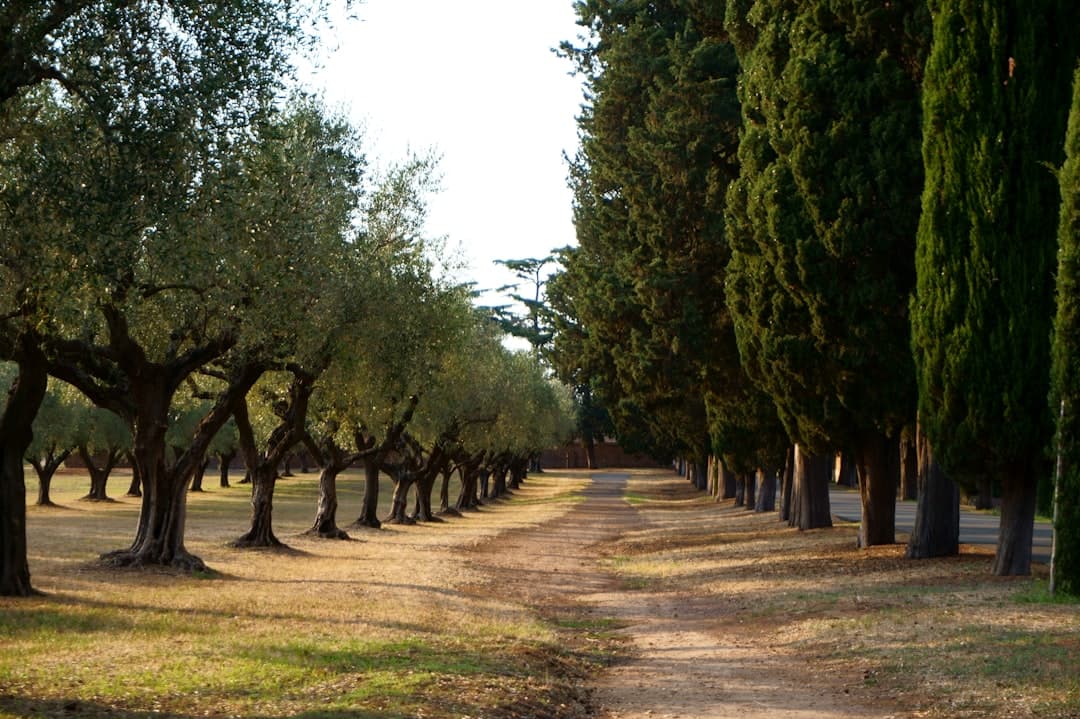
The Via Appia Antica, the ancient Appian Way, was the queen of roads, the regina viarum: begun in 312 BC by the censor Appius Claudius Caecus, it eventually ran more than 500 kilometres from Rome to the port of Brindisi, the gateway to Greece and the East. Today its first miles survive as a protected regional park where you can walk, and in places still see, the original basalt paving stones rutted by two thousand years of cart wheels, beneath avenues of umbrella pines and cypresses.
Because burial was forbidden inside the ancient city walls, the road became Rome's grandest cemetery. Its most famous monuments include the drum-shaped tomb of Cecilia Metella, the vast Circus of Maxentius with its well-preserved racetrack, and the little church of Domine Quo Vadis, marking the spot where legend says the fleeing Saint Peter met a vision of Christ and turned back to Rome and martyrdom.
Beneath the fields on either side run the catacombs, the multi-level underground burial networks of the early Christians. The Catacombs of San Callisto and San Sebastiano are the largest open to visitors, with guided descents into kilometres of tufa galleries; they are also blessedly cool on a hot day. Above ground, the ruined aqueducts of the neighbouring Parco degli Acquedotti make a spectacular extension for photographers.
The classic way to experience the Appia is by bicycle, rented near the park entrance, gliding over the old stones between tombs and farmland. On Sundays and holidays the road closes to cars and fills with walkers and cyclists: much the best day to come. Take bus 118 from the Circo Massimo area, and allow at least half a day; sturdy shoes matter on the ancient paving.
Questions about tickets, dress codes or timings? Our Rome FAQ answers the questions we hear most.
Visit with us
Experiences that include Appia Antica

Nearby highlights
Keep wandering


Plan your Roman days
See Appia Antica with a local host
Walk in with hosted entry, hear the stories, and go home with photographs worth keeping.