Loading…
Rome destination N° 04
Piazza di Spagna
Famous for the Spanish Steps, a monumental stairway of 135 steps connecting Piazza di Spagna to Piazza Trinità dei Monti. A popular meeting place since the 18th century, it's surrounded by luxury boutiques and cafés.
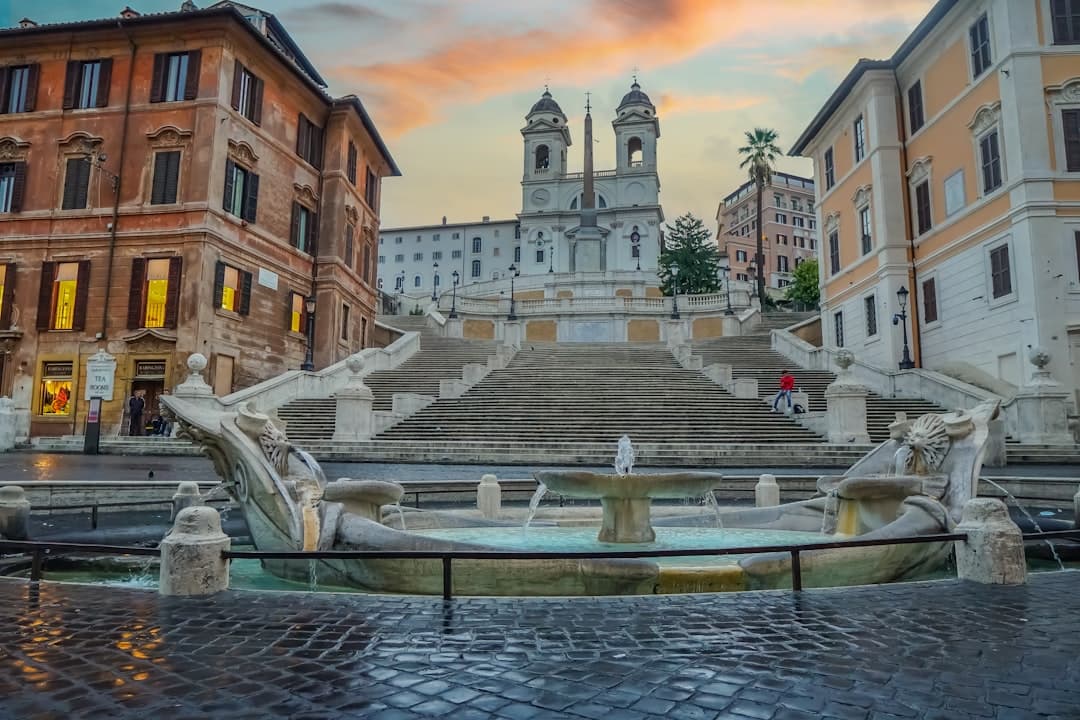
Piazza di Spagna is Rome at its most theatrical: a butterfly-shaped square at the foot of the Spanish Steps, the monumental stairway of 135 steps that climbs to the French church of Trinità dei Monti. Designed by Francesco de Sanctis and completed in 1725, the staircase was built to link the Bourbon Spanish embassy below (which gave the square its name) with the church above, and it has been the city's favourite meeting place ever since.
At the base of the steps sits the Barcaccia, the half-sunken boat fountain attributed to Pietro Bernini and his more famous son Gian Lorenzo, fed by the ancient Aqua Virgo aqueduct. The house to the right of the steps is where the poet John Keats spent his final months in 1821; it is now the Keats-Shelley House museum, a quiet literary pause amid the fashion crowds. From the square, Via dei Condotti runs the gauntlet of Rome's grandest luxury boutiques.
In spring the staircase is decorated with banks of blooming azaleas, one of the city's loveliest seasonal traditions. Note that sitting on the steps is no longer permitted: local rules protect the monument, so admire, photograph and climb, but keep moving. The terrace by Trinità dei Monti rewards the climb with a fine view down Via dei Condotti toward the dome of St. Peter's.
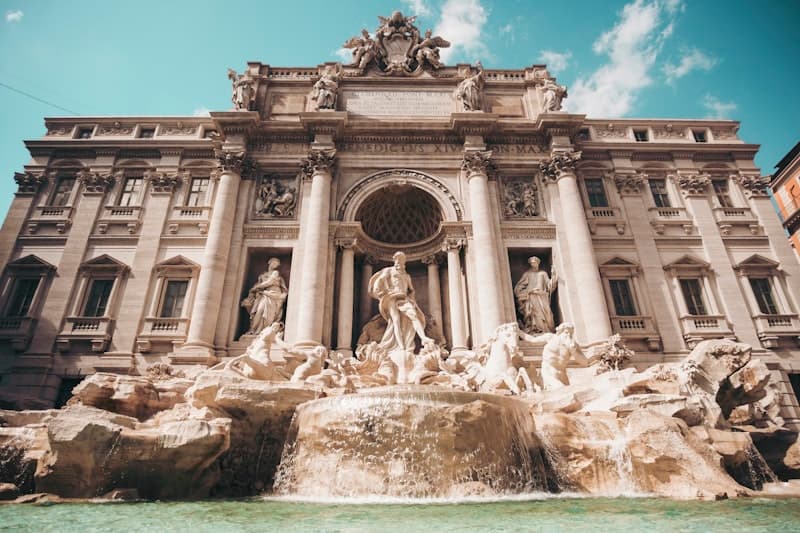
The square has its own stop, Spagna on Metro Line A, making it one of the easiest landmarks to reach. Come at sunrise for photographs with the steps almost empty, then walk ten minutes to the Trevi Fountain or through Villa Borghese, whose Pincio terrace begins just above the church.
Questions about tickets, dress codes or timings? Our Rome FAQ answers the questions we hear most.
Visit with us
Experiences that include Piazza di Spagna
Nearby highlights
Keep wandering
Plan your Roman days
See Piazza di Spagna with a local host
Walk in with hosted entry, hear the stories, and go home with photographs worth keeping.